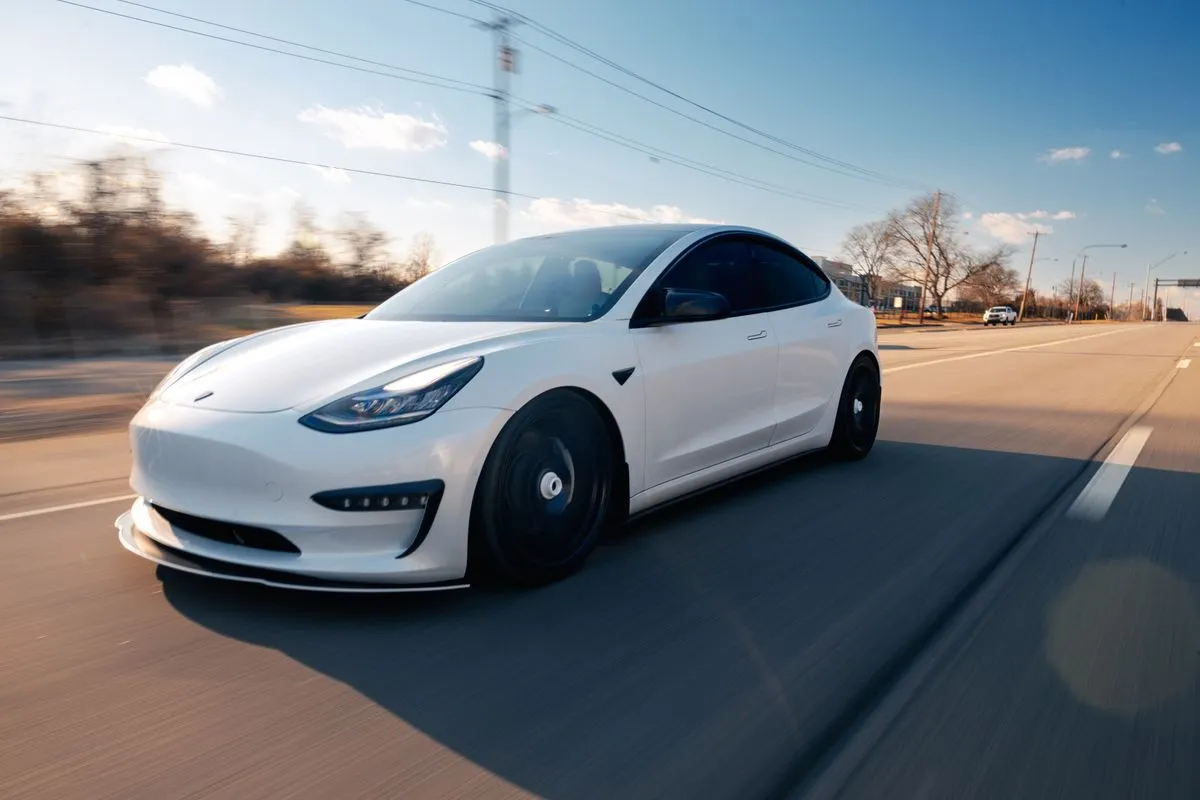
The numbers nobody gives you for a loaded EV
Most range advice is written for commuting. You are not commuting. You are driving a Model Y with a tent on the roof through the desert in August, and that is a different car.
Here is what actually happens to your range, from handing these over for two years.
Start from 250, not 330
The 330 mile EPA number is a lab result. Plan your days around 220 to 250 usable miles and you will never have a bad afternoon.
What takes the rest:
- Speed. Every 10 mph over 60 costs about 10%. At 75 mph you are getting roughly 260 instead of 330. This is the single biggest lever and the one nobody wants to hear.
- The roof rack costs about 15%. A rooftop tent is a parachute. Worth it, but budget for it.
- Cold below 40°F costs 20 to 30%. Flagstaff in March surprises people every year.
- Heat above 100°F costs about 10%, and slows your charging on top of that.
- Elevation is a wash. Climbing to the Grand Canyon South Rim at 7,000 feet burns range, then regen gives it back on the way down. Flagstaff at 7,000 feet down to Phoenix at 1,100, you arrive with more battery than the car predicted.
The 80% rule, and why the last 20% is a trap
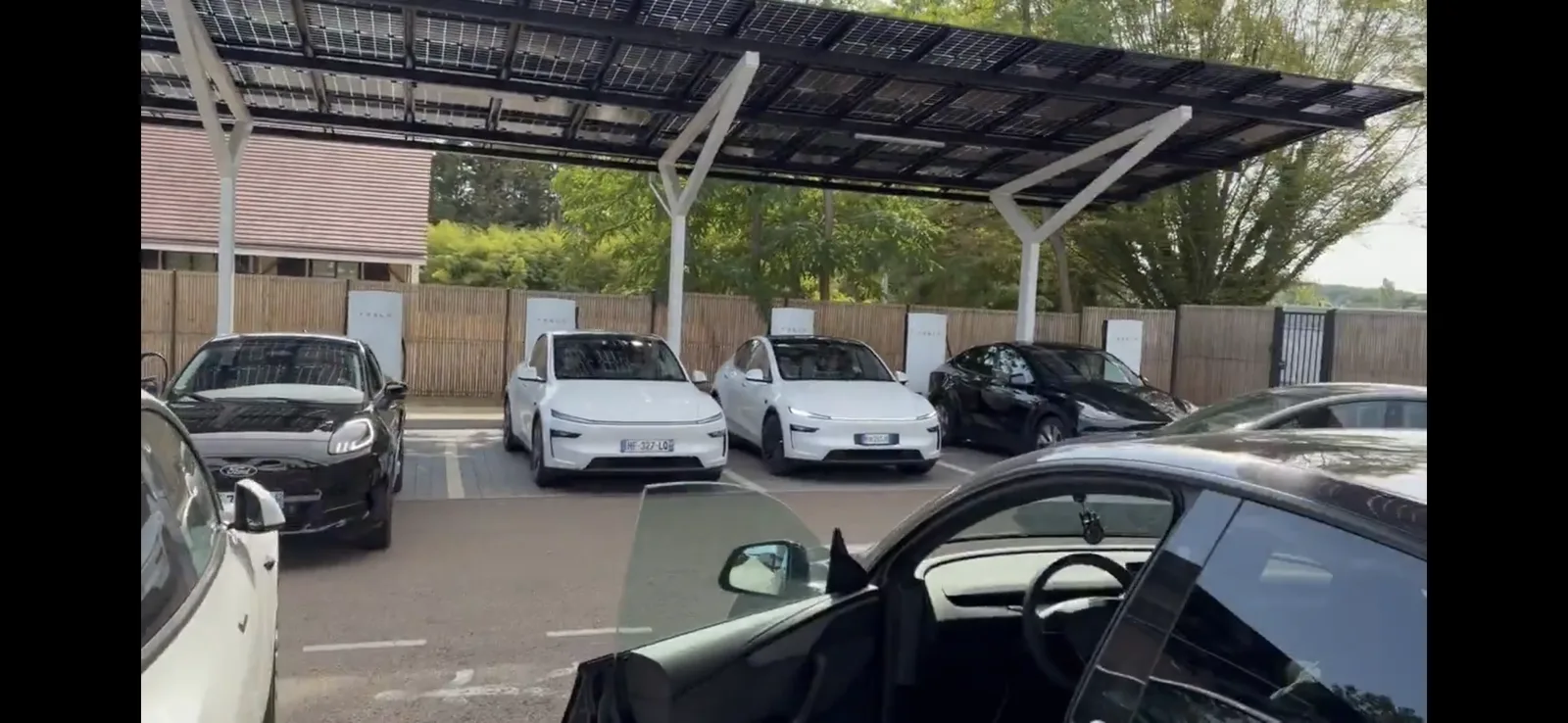
Superchargers fill the first 80% fast, then slow dramatically. The last 20% takes about as long as the first 80%. That is physics, not a fault.
So the pattern is: arrive around 10 to 20%, charge to 80% in 20 to 25 minutes, leave.
On a 500 mile day that saves you over an hour versus charging full every time. Sitting at a Supercharger watching the last 15% crawl in is the most common rookie mistake on this route.
The exception: charge to 100% when the next leg has nothing in between. Capitol Reef to Page on the Grand Circle is the one that catches people.
Camp Mode, in battery terms
This is the number people actually want and rarely find.
- A/C overnight: about 1% per hour. A full night runs 8 to 10%.
- Heat overnight: about 2 to 3% per hour. More in real cold.
So a night in the desert with climate control costs you roughly 30 miles of range. You will spend more than that driving to a campground with hookups.
What I would tell you on day one
- Treat charging stops as the breaks you were going to take anyway. Twenty minutes, twice a day. It stops being planning and starts being rhythm.
- Never go below 10%. Not because the car cannot, but because you stop enjoying the drive.
- Navigate to the Supercharger in the car. Tesla preconditions the battery on the way and you charge noticeably faster. Most people never turn this on.
- Drop to 65 mph when the next charger is far. That is worth 30 or more miles.
- Charge overnight wherever you sleep. Destination chargers at hotels and some campgrounds are slow and free, and you wake up full.
- Some Superchargers are a parking lot and nothing else. Pack snacks. This is a real problem in Nevada.
- Trust the range estimate. It is conservative and it accounts for elevation ahead of you. It knows the road better than your arithmetic does.
The part that actually changes
Range anxiety is a week-one feeling. Guests text me about the battery on day two and stop mentioning it by day four, and I do not think that is because they learned anything technical. The map just stops looking empty once you have used it a few times.
The desert has more chargers than most people expect and fewer than the map makes it look, and the gap between those two facts is where planning matters.
If this is your first electric road trip, start with the beginner guide. The cheapest way in is the Model Y Budget package at $119 a day.